



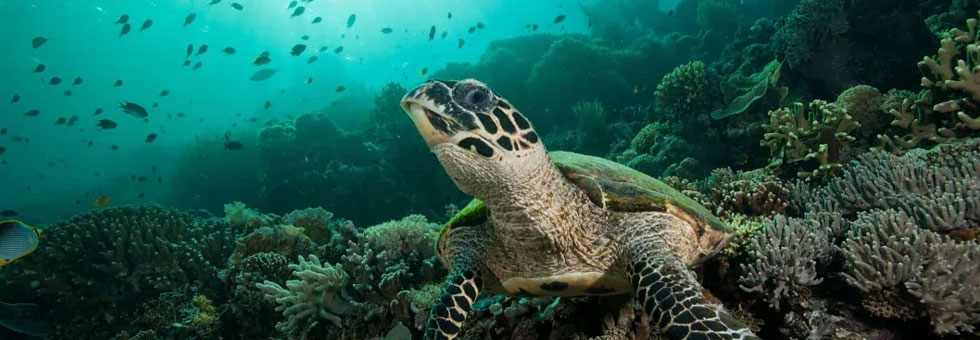
Photo: Kogia Sumer Verma.
On 17 November 2025, under the auspices of the COP30 Brazil Presidency and co-hosted by the Governments of the Republic of Palau and the United Kingdom, a high-level multilateral meeting was convened to discuss action to address the escalating threats to the world’s coral reef ecosystems. The session brought together a focused group of state ministers, alongside senior government and UN officials, to chart pathways for a coordinated response – centred on financing approaches that protect climate-resilient reefs and sustain coastal communities.
The meeting opened with a powerful intervention from H.E. Steven Victor, Minister of Agriculture, Fisheries and Environment of the Republic of Palau, who conveyed the existential importance of coral reefs to Pacific island nations. He underscored the critical role of reef-dependent enterprises in Palau’s economy and reaffirmed the country’s leadership in marine protection. Calling on the international community to share responsibility in financing reef resilience as a socio-economic issue, his remarks set the tone for a dialogue grounded in urgency, shared responsibility, and solidarity among reef nations and their partners.
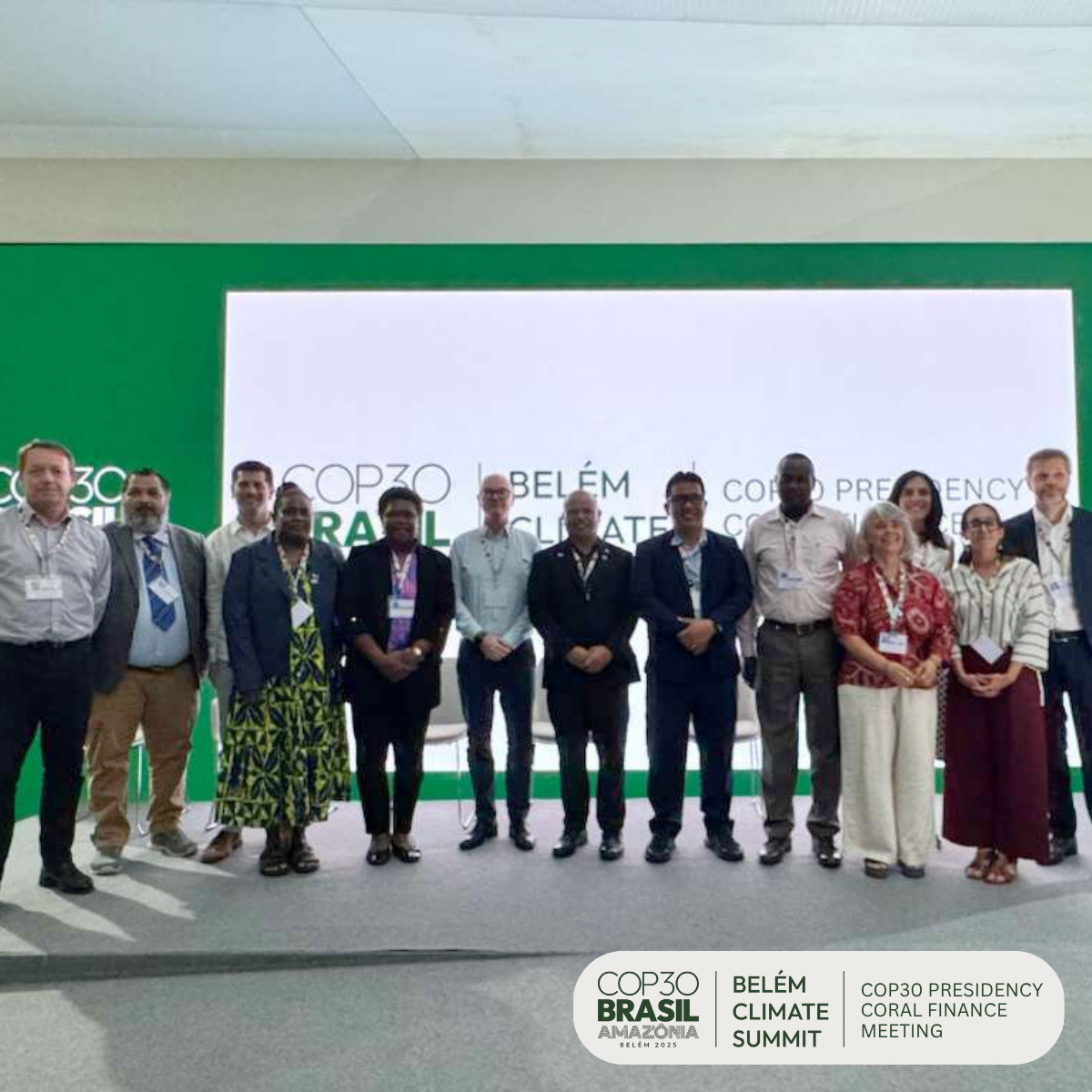
COP30 Presidency Coral Finance Meeting
During the dialogue, national leaders also highlighted concrete strategies and political resolve to integrate coral reef protection into broader development, finance, and climate agendas. Brazil highlighted the launch of its Brazil Coral Coalition, underscoring the country’s significant reef ecosystems and its intention to scale national coordination. They also stressed the important role of national development banks, like BNDES, to de-risk finance for coral reef protection and management. The representative of Indonesia outlined its coral and mangrove protection efforts as part of a wider marine corridor and blue economy strategy, emphasising the need for sustainable, rapid, and predictable financing frameworks. Solomon Islands reaffirmed the value of reef-positive enterprises and community-led approaches, announcing a new partnership with the GFCR, UNCDF, and WWF to expand support for reef-positive businesses and improve coastal livelihoods. Papua New Guinea’s representative emphasised the importance of healthy reefs for food security and local economies, highlighting its partnership with the GFCR and UNDP to accelerate women-led reef-positive enterprises and strengthen coastal livelihoods. Seychelles called for the use of credible, science-based data to ensure alignment between financing tools and effective conservation policy, underscoring the need for coherence across political and financial systems.
One of the key session outcomes was the strong convergence around the GFCR as the central multilateral instrument for coral reefs, with participants noting its growing blended finance portfolio across 22 island and coastal states, including community-led enterprises that advance sustainable aquaculture, regenerative tourism, and waste management and circular economy systems.
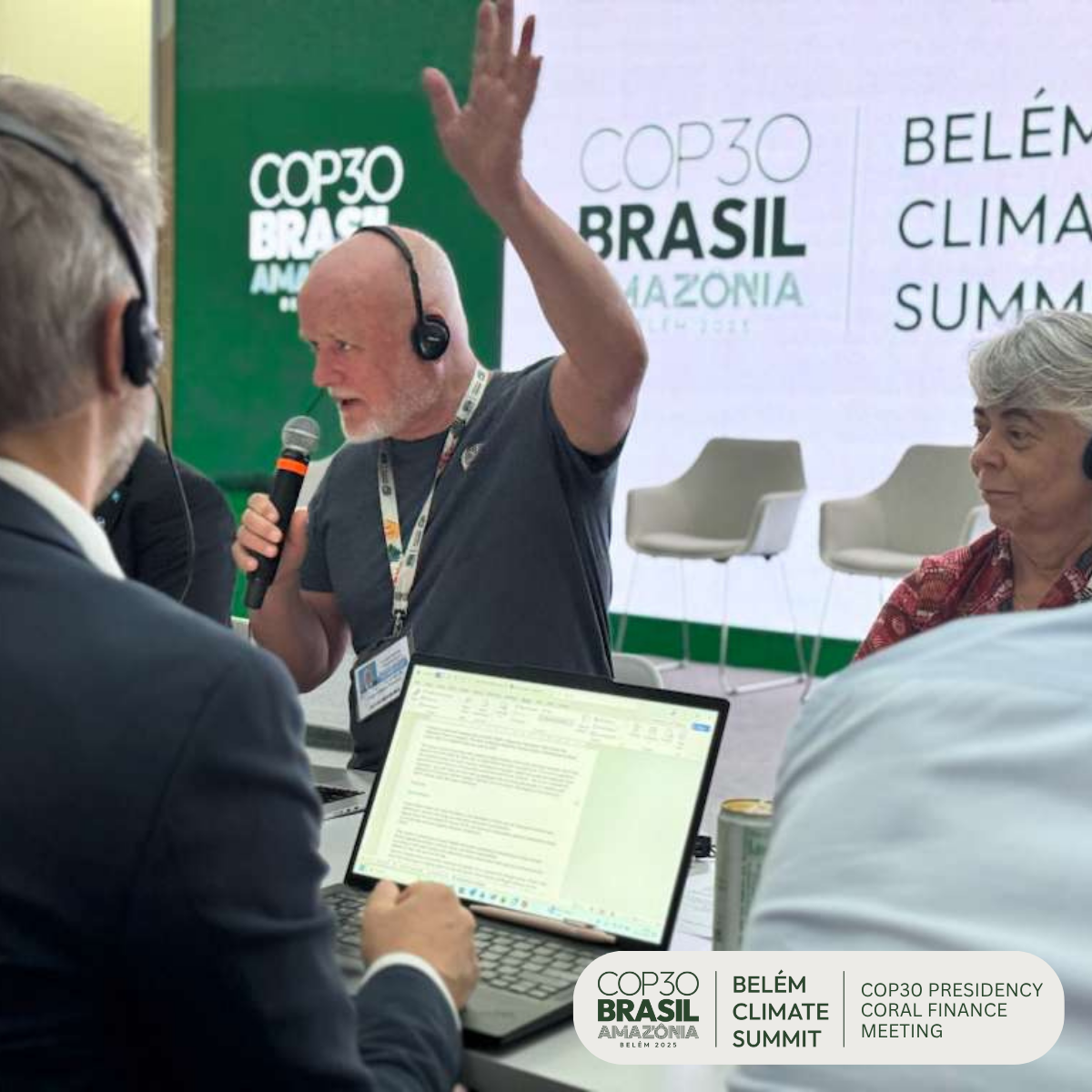
COP30 Presidency Coral Finance Meeting
Source:
Press release link: Outcomes of the COP30 Presidency Coral Finance Meeting
Photo ©: Kogia Sumer Verma.
Copyright © 2025 Frontiers. All rights reserved.