




Photo: Chris F / Pexels
Introduction
The El Niño phenomenon represents one of the greatest natural threats to coral reefs worldwide. This climate pattern, which occurs when the surface waters of the equatorial Pacific Ocean warm significantly, triggers a series of devastating effects that can cause massive bleaching and mortality in coral ecosystems.
Scientists warn that El Niño events are intensifying due to climate change, raising serious questions about the future of these valuable marine ecosystems.
The Mechanism of Coral Bleaching
When ocean temperatures rise during an El Niño event, corals experience severe thermal stress. This condition causes the expulsion of zooxanthellae, the symbiotic algae that live within coral tissues and provide them with up to 90% of their energy through photosynthesis. Without these algae, corals lose their characteristic coloration and turn white, becoming extremely vulnerable.
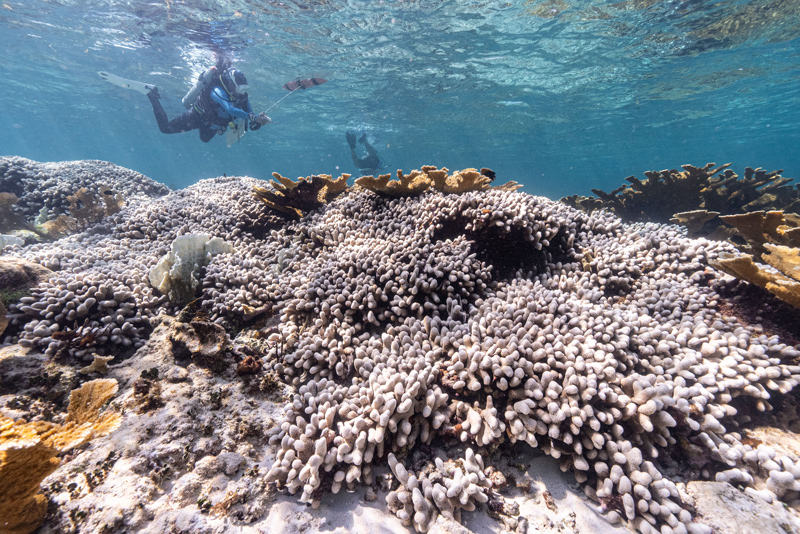
Photo: Valentina Cucchiarra
Super El Niño Events and Their Consequences
The so-called "Super El Niño" events are particularly intense phenomena that can raise ocean temperatures several degrees above normal for months. The 1997-1998 event caused the death of approximately 16% of the world's corals, while the 2015-2016 event triggered the most extensive mass bleaching ever recorded, affecting reefs from the Caribbean to the South Pacific.
During these extreme events, even the healthiest and most remote reefs can suffer significant damage, demonstrating that no coral ecosystem is completely safe from ocean warming.
Recovery and Resilience of Reefs
The recovery capacity of corals after a bleaching event depends on several critical factors. Reefs that experience shorter periods of thermal stress and have diverse populations of coral species tend to recover more quickly. However, when El Niño events occur more frequently, corals do not have sufficient time to fully regenerate before the next warming episode.
The scientists from the Coral Reef Alliance work to identify and protect the most resilient reefs, those that demonstrate greater capacity to adapt to thermal stress and can serve as sources for repopulation of damaged ecosystems.
The future of reefs facing El Niño
Climate projections suggest that El Niño events will continue to intensify in the coming decades. This makes conservation strategies more urgent than ever. Reducing local threats such as pollution, overfishing, and inadequate coastal development can increase reef resilience and give them a better chance of surviving future warming events.
International collaboration and the reduction of greenhouse gas emissions remain fundamental to limiting ocean warming and protecting these invaluable ecosystems for future generations.
Source:
Press release link: What Does El Niño Mean for Coral Reefs?
Author: Kate Beebe
Photo ©: Chris F / Pexels
Copyright © 2026 Coral Reef Alliance. Todos los derechos reservados.